
 Written by
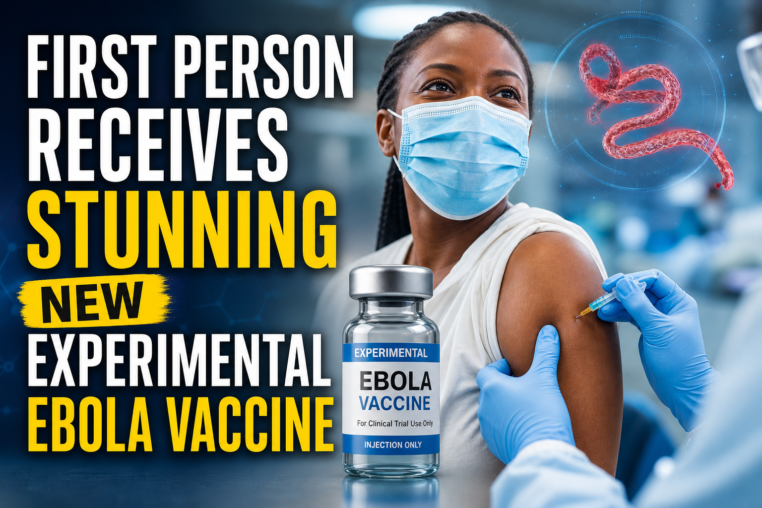
 The first person has received a stunning new experimental Ebola vaccine, marking a significant milestone in the global fight against one of the deadliest viruses known to humanity. This development comes as researchers continue to refine and improve upon existing vaccine technologies, aiming to provide more durable, broad-spectrum protection against the various strains of the Ebola virus. The trial, which began in a clinical setting in the United Kingdom, involves a novel approach that could change how we prepare for and respond to future outbreaks. While the world has made considerable progress since the devastating West African epidemic of 2014-2016, the need for a more effective and accessible vaccine remains urgent, particularly in regions where the virus is endemic.
The Science Behind the New Vaccine
The experimental vaccine being tested is not just another iteration of existing products. It represents a leap forward in vaccine design, utilizing a cutting-edge platform that targets multiple species of the Ebola virus. Previous vaccines, such as the highly effective Ervebo, have been crucial in controlling outbreaks but are primarily effective against the Zaire ebolavirus species. The new candidate aims to provide protection against a broader range of the virus, including the Sudan and Bundibugyo species, which have also caused significant outbreaks. This is achieved through a sophisticated delivery system that presents the immune system with a more comprehensive set of viral proteins, training the body to recognize and neutralize a wider array of threats. The trial’s first volunteer received a dose of this vaccine, and researchers will closely monitor their immune response over the coming months to assess safety and efficacy.
Why a New Vaccine is Still Needed
Despite the availability of licensed vaccines, the fight against Ebola is far from over. The virus continues to emerge in remote areas of Central and West Africa, often in countries with fragile healthcare systems. The current stockpile of vaccines, while life-saving, has limitations. For instance, the need for ultra-cold storage chains can be a logistical nightmare in rural settings without reliable electricity. Furthermore, the duration of protection offered by existing vaccines is still being studied, and booster doses may be required. The new experimental Ebola vaccine aims to address these challenges by potentially offering a more thermostable formulation that is easier to transport and administer. Additionally, by covering multiple viral species, it could simplify outbreak response, eliminating the need to develop and deploy species-specific vaccines for each new flare-up.
The Trial Process and What Comes Next
The clinical trial is being conducted in phases, starting with a small group of healthy volunteers to evaluate safety and determine the optimal dosage. The first person to receive the vaccine is part of this initial cohort. If the results are promising, the trial will expand to include more participants, eventually moving to endemic regions where the risk of natural exposure is higher. This step is critical for understanding how the vaccine performs in real-world conditions. The timeline for a potential rollout is still uncertain, but researchers are optimistic. The speed at which this vaccine has moved from the lab to human trials is a testament to the advances in virology and immunology made over the past decade. The global health community is watching closely, as a successful outcome could provide a powerful new tool in the arsenal against Ebola.
Implications for Global Health Security
The successful development of this new vaccine would have profound implications for global health security. It would not only protect individuals but also help contain outbreaks more rapidly, reducing the economic and social disruption that accompanies these crises. The 2014 epidemic taught the world that a virus in one country is a threat to all, and investing in better vaccines is a form of global insurance. This experimental Ebola vaccine, now being tested in a human for the first time, represents a proactive approach to pandemic preparedness. It moves beyond reactive measures and towards a future where we have the tools to stop deadly viruses before they spiral out of control. The journey from this first injection to widespread use is long, but it is a journey that has now officially begun, offering a new ray of hope in the ongoing battle against infectious disease.