 Written by
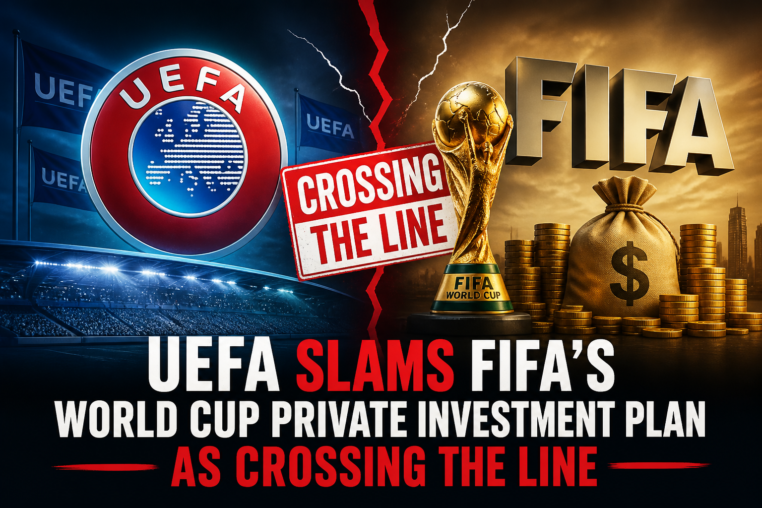
 Uefa has slammed Fifa’s World Cup private investment plan as crossing the line, escalating a bitter power struggle that threatens to reshape the governance of global football. The conflict, which erupted publicly in recent weeks, centers on Fifa’s proposal to allow private equity firms and sovereign wealth funds to invest directly in the World Cup tournament itself, rather than just in individual clubs or leagues. Uefa, the governing body for European football, argues that such a move would compromise the sport’s integrity, undermine its traditional structures, and hand undue influence to commercial interests with no allegiance to the game.
The Core of the Dispute: Private Investment in the World Cup
At the heart of the clash is Fifa’s ambition to secure long-term, multi-billion-dollar funding for its flagship event. The plan, reportedly backed by Fifa President Gianni Infantino, would involve selling a stake in future World Cup editions—including the men’s and women’s tournaments—to private investors. In return, these investors would receive a share of the tournament’s revenues, such as broadcasting rights, sponsorship deals, and ticket sales. Proponents argue that this model would provide financial stability, allow for greater investment in grassroots football, and reduce Fifa’s reliance on unpredictable commercial cycles.
However, Uefa has reacted with alarm. In a strongly worded statement, the European body described the proposal as “crossing a line” that could fundamentally alter the relationship between football’s governing bodies and the commercial sector. Uefa’s leadership, including President Aleksander Čeferin, has warned that private investment in the World Cup could lead to a loss of control over the tournament’s format, scheduling, and even its ethical standards. The fear is that profit-driven investors might prioritize revenue maximization over the sport’s long-term health, potentially leading to expanded tournaments, more frequent editions, or even a breakaway competition.
Why Uefa Believes Fifa Has Crossed a Line
Uefa’s objections are not merely philosophical; they are rooted in a deep concern about the balance of power within world football. The European body has long been the most influential and financially powerful confederation, generating the bulk of Fifa’s revenue through its top-tier clubs and leagues. By bringing in private investors, Uefa fears that Fifa could bypass traditional governance structures and make decisions that favor commercial partners over member associations.
Moreover, Uefa points to the potential for conflicts of interest. Private investors, particularly sovereign wealth funds, may have geopolitical agendas or business interests that clash with football’s principles of fairness and autonomy. For example, a fund from a country with a poor human rights record could use its stake in the World Cup to gain soft power, while a private equity firm might push for more matches in lucrative but controversial markets. Uefa argues that such influences could erode the tournament’s credibility and alienate fans.
The timing of the dispute is also significant. Fifa is currently negotiating its next commercial cycle, and the World Cup’s value has skyrocketed after the successful 2022 tournament in Qatar and the expanded 2026 edition in North America. With billions of dollars at stake, both organizations are jockeying for control over future revenue streams. Uefa’s stance is partly a defensive move to protect its own financial interests, as European clubs and leagues fear being sidelined if Fifa gains direct access to private capital.
The Broader Implications for Football Governance
This clash is not an isolated incident; it reflects a broader trend in global sports where commercial interests increasingly challenge traditional governing bodies. In football, the tension between Fifa and Uefa has simmered for years, from disputes over the Club World Cup format to the failed European Super League project. The private investment plan now threatens to become the defining issue of Infantino’s tenure.
If Fifa proceeds with the plan, it could set a precedent for other international sports organizations. The International Olympic Committee, for instance, has already explored similar models for the Olympics. However, critics argue that football’s unique cultural and social significance makes it particularly vulnerable to commercial exploitation. Uefa’s warning is that once private investors gain a foothold, it will be difficult to reverse the trend.
What Happens Next?
The immediate future of the plan is uncertain. Uefa has threatened legal action and has called on its 55 member associations to oppose the proposal at Fifa’s next congress. Meanwhile, Fifa has defended the plan as a necessary evolution, arguing that it will bring more resources to the sport and help developing nations. Infantino has dismissed Uefa’s concerns as protectionism, accusing European officials of trying to maintain their dominance.
For fans, the dispute may seem distant, but its outcome will directly affect how the World Cup is organized, broadcast, and experienced. A privately invested World Cup could mean more matches, higher ticket prices, and greater corporate branding—or it could lead to a more financially sustainable tournament that supports football worldwide. The battle between Uefa and Fifa is ultimately about who controls the world’s most popular sport and whether its future will be shaped by tradition or by capital.
As the two sides dig in, one thing is clear: Uefa has slammed Fifa’s World Cup private investment plan as crossing the line, and the fallout will likely define football governance for years to come. Whether this line is redrawn or erased entirely depends on the resolve of Europe’s football leaders and the willingness of Fifa to compromise. For now, the ball remains firmly in Infantino’s court.