
 Written by
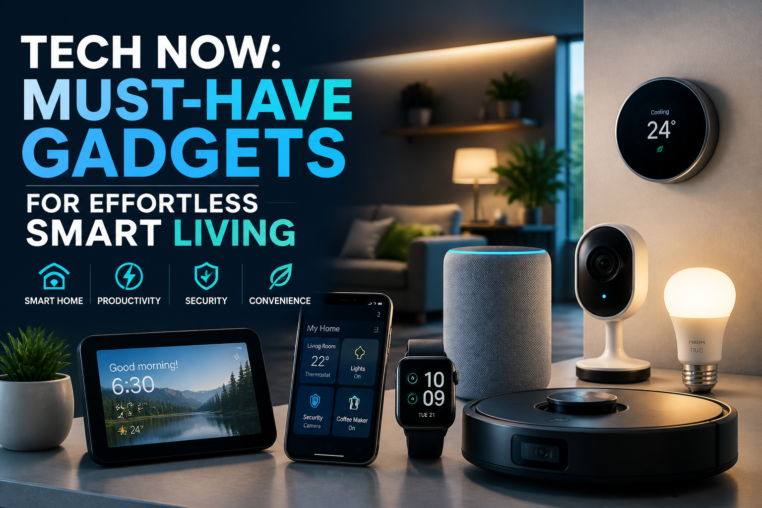
 Tech now revolves around simplifying daily routines, and the latest wave of smart home devices is designed to do exactly that. Gone are the days when automation required complex wiring, multiple hubs, or a degree in computer science. Today’s ecosystem is built on seamless integration, voice control, and intuitive apps that put the entire household at your fingertips. Whether you are a seasoned early adopter or just starting to dip your toes into connected living, the goal is the same: reduce friction, save time, and create a space that responds to your needs before you even ask. This guide explores the essential categories of technology that are transforming ordinary homes into efficient, responsive environments.
The Smart Hub: Your Command Center for Effortless Living
Every intelligent ecosystem needs a central nervous system, and for most homes, that role is filled by a smart speaker or display. These devices have evolved far beyond playing music or setting timers. They now serve as the primary interface for managing your entire connected life. With a simple voice command, you can adjust the thermostat, lock the front door, dim the lights for a movie, or check who is at the front door via a linked camera.
The real power of a smart hub lies in its ability to create routines. Instead of manually activating individual devices, you can program a “Good Morning” routine that gradually brightens the bedroom lights, starts the coffee maker, and reads your calendar for the day. Similarly, a “Good Night” command can simultaneously arm the security system, turn off all non-essential electronics, and lower the blinds. This level of orchestration is the true definition of effortless smart living, as it removes the need for repetitive, manual actions. When choosing a hub, consider compatibility with your existing devices (like Zigbee, Z-Wave, or Matter) to ensure everything works in harmony rather than in isolated silos.
Smart Lighting and Climate: Setting the Perfect Ambiance Automatically
Lighting is often the first upgrade people make, and for good reason. Smart bulbs and switches offer more than just remote control; they provide the ability to tune the color temperature and brightness to match your circadian rhythm. In the morning, a cool, bright white can help you wake up alert, while in the evening, a warm, dim glow signals your body to wind down. Motion sensors can turn on hallway lights as you walk by at night, eliminating the fumbling for switches and reducing energy waste.
Climate control is another significant area where smart technology shines. Smart thermostats learn your schedule and preferences over time, automatically adjusting the temperature when you are asleep or away from home. This not only ensures you return to a perfectly comfortable environment but also leads to substantial savings on your energy bills. Pair this with smart vents or blinds that open and close based on sunlight exposure, and your home becomes a self-regulating system that maintains optimal comfort with zero daily input from you.
Effortless Home Maintenance: Robots and Sensors That Work for You
The most tedious chores are now being automated by a new generation of robotic helpers. The robotic vacuum has been around for a while, but current models are far more sophisticated. They use LiDAR mapping to navigate complex floor plans, empty their own dustbins, and even mop your floors. You can schedule cleanings while you are at work, and the device will return to its dock to recharge and resume until the job is done. This is a tangible example of how tech now handles the mundane tasks that used to consume your weekends.
Beyond floor care, smart sensors can monitor for potential problems before they become disasters. Leak detectors placed under sinks or near water heaters can send an immediate alert to your phone, allowing you to shut off the water supply remotely before costly water damage occurs. Smart smoke and carbon monoxide detectors not only sound an alarm but also send a notification to your phone, so you know what is happening even if you are not home. These devices provide peace of mind and turn a reactive approach to home maintenance into a proactive, preventative one.
Security and Access: Total Control from Anywhere
Home security has been completely reinvented by smart technology. Video doorbells now offer high-definition video, two-way audio, and package detection, allowing you to speak to a delivery driver or deter a potential intruder from anywhere in the world. Smart locks eliminate the need for physical keys entirely. You can grant temporary access codes to guests or service providers, receive notifications when your kids arrive home from school, and lock the door remotely if you forget to do so on your way out.
The integration of these devices is what makes them truly powerful. When your smart lock detects the door is unlocked, it can trigger your security cameras to start recording. If a window sensor is opened while you are away, the system can sound an indoor siren and send a high-priority alert to your phone. This interconnected security net provides a level of control and awareness that was previously only available in high-end commercial buildings, making your home safer and more responsive to your commands.
The Future of Effortless Living
The journey toward a smarter home is not about buying the most expensive gadgets; it is about selecting the right tools that integrate seamlessly to solve your specific problems. Start with a solid hub, add a few key devices that address your biggest pain points, and expand from there. As you begin to rely on these automated systems, you will find that you are not just saving time—you are reclaiming it. The true promise of tech now is not just connectivity, but the quiet, reliable convenience that allows you to focus on the people and activities that matter most.