Detailed summary
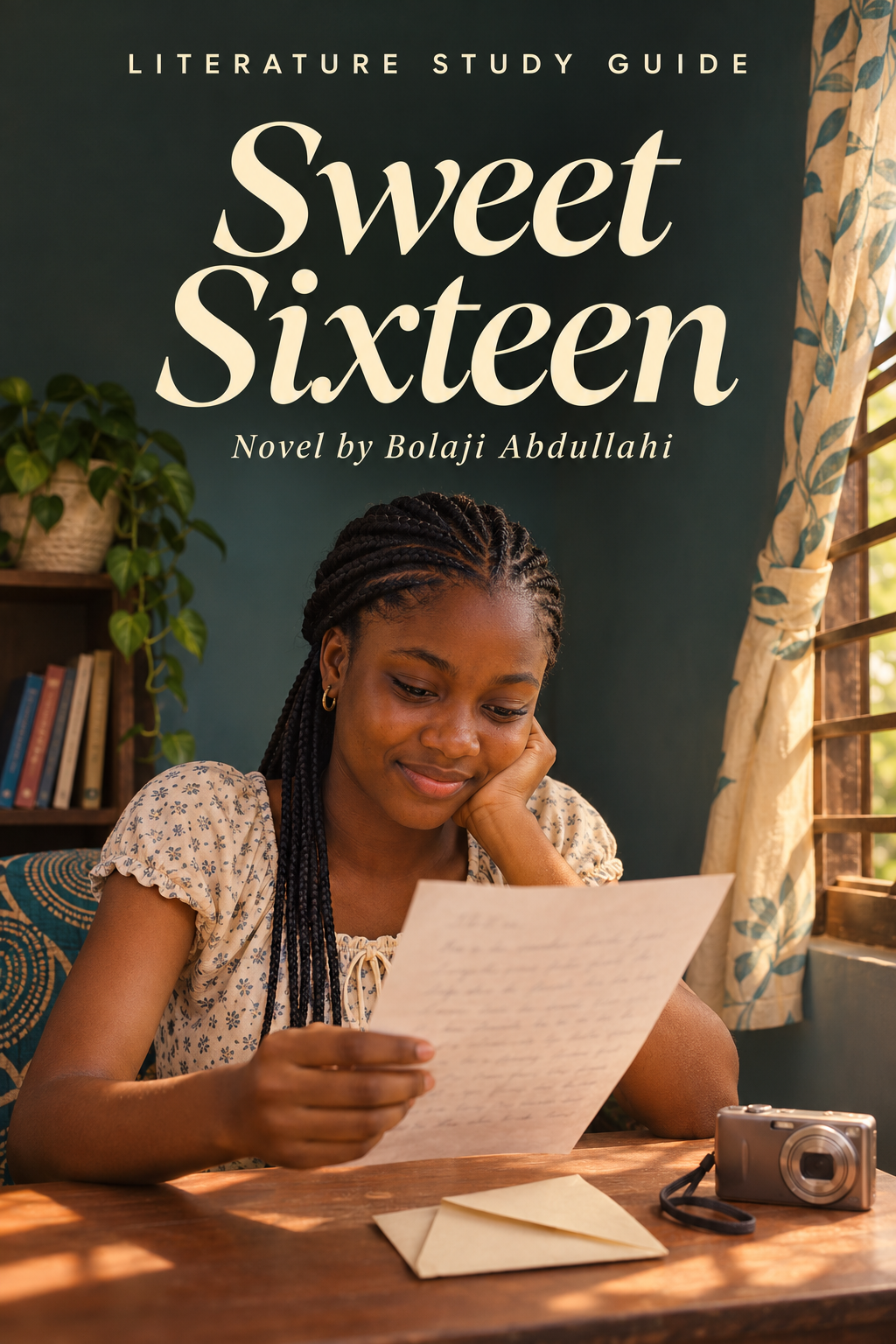
Aliya Bello is a boarding-school student who looks forward to turning sixteen because she wants her parents to recognise that she is growing up. On her birthday, her father gives her a card, a digital camera and a sixteen-page letter, one page for each year of her life. The letter is titled “Letter to My Daughter.” As Aliya reads it, she remembers earlier conversations with her father and asks him to explain some of the advice he has written.
The conversations begin with things Aliya has experienced herself. A teddy bear from a boy named Bobo prompts her to ask what accepting a gift means. A drive after her first period gives her a chance to ask about puberty and to learn about her father’s childhood as a street hawker. When she considers becoming a lawyer, he asks her to think through her reasons for choosing the career. Later, a classmate’s remarks about Muslims lead Aliya to examine some of her own assumptions about Christians.
Toward the end, Aliya tells her father about being mocked for her weight. They discuss where ideas about beauty come from and how she can value herself when others judge her appearance. Aliya hopes to become Head Girl and wants to donate a nebuliser to her school clinic for students who have asthma, as she does. Her father closes with a story about a hunter who benefits from the generosity of people who came before him. Aliya ends the novel thinking about how to pass on the care she has received.
Chapter summaries
Chapter 1 The Letter
Aliya remembers how impatient she was to be called a young adult. Her father generally avoids birthday parties, but he has sent her cards at boarding school since she was twelve. Before she turns sixteen, Tokunbo Alabi, nicknamed Bobo, gives her a teddy bear for Valentine’s Day. When she tells her father, he explains that accepting a present does not oblige her to return the giver’s feelings.
On her sixteenth birthday, Aliya receives a card, a digital camera and her father’s bound letter. The sixteen pages give her advice she can return to as her questions change. The letter also gives the novel its structure, moving the story between Aliya at sixteen and the earlier experiences she recalls.
Chapter 2 The Drive
Aliya remembers going for a drive with her father when she was twelve, shortly after her first period. Her mother and the hostel mistress had already helped her with menstrual care. During the outing, her father makes room for questions about puberty, sex and pregnancy. Aliya has heard different things from friends, magazines and television, and the conversation gives her a chance to ask about what she only partly understands.
Aliya also notices girls selling goods in traffic and envies what she sees as their freedom to move around and meet people. Her father tells her that he hawked on the streets as a child. His experience helps her see the work and necessity behind a life she had imagined as carefree.
Chapter 3 Work
Reading John Grisham’s novels makes Aliya want to study law. She had previously considered medicine, so her father asks whether the change reflects a genuine interest or a wish to escape Chemistry. Aliya shows him that she has raised her Chemistry grade from a C to an A. Her result gives them something concrete to discuss when they talk about effort and persistence.
Drawing on Kahlil Gibran’s The Prophet, Mr Bello explains that parents should help children learn to think for themselves and make their own choices about work. He encourages Aliya to keep reading, take her interests seriously and be deliberate about how she spends time online.
Chapter 4 The Gandhi Test
Aliya asks her father to explain a piece of advice from the letter. When she is unsure about an action, he suggests asking herself whether she would be comfortable if other people knew what she was doing. He calls this the Gandhi Test and connects it to Mahatma Gandhi’s example of simplicity and moral conviction.
Mr Bello also explains the test’s limits. Some people are willing to act badly in public, so a lack of embarrassment cannot establish that a choice is right. The question gives Aliya a way to pause, consider her motives and exercise her own judgement.
Chapter 5 Dating
Aliya asks whether turning sixteen means she can have a boyfriend. Her father discusses the difference between an intense crush and a relationship that takes care and commitment. Aliya thinks about Bobo, the jealousy she felt when she saw him with another girl, and her disappointment when he left for Ireland. The discussion helps her make sense of feelings she has already experienced.
Their conversation ranges from joking about the abbreviations teenagers use in messages to discussing two students suspended after being caught having sex at school. Mr Bello encourages Aliya to take her time and consider how decisions made under pressure can affect her and other people.
Chapter 6 Stereotype
A television report about a Boko Haram attack on a market reminds Aliya of a classmate, Rebecca, who said Muslims are violent. Mr Bello condemns the attack and explains why it is unfair to judge a whole religious community by the actions of the attackers. He encourages Aliya to give individuals a chance to show who they are.
Aliya recognises that she has also made assumptions about Christians. Her father uses examples of religious and racial prejudice to show how easily stereotypes are formed. The discussion leads into a story about an enslaved man who shows kindness to someone who mistreated him. Aliya is still thinking about that story at the start of the next chapter.
Chapter 7 Beauty
Aliya tells her father how much it hurt when a Biology teacher mocked her size and an older student, Bunmi, repeatedly picked on her. Mr Bello discusses how ideals of beauty vary across cultures and how media images can narrow people’s expectations. He asks Aliya to pay attention to her character, her self-respect and the way she treats others.
Aliya hopes to become Head Girl and wants to give the school clinic a nebuliser to help other students with asthma. Her father ends with a story about a hunter who finds food and water provided by earlier generations. The hunter is asked to contribute so that people who come after him can receive the same help. Aliya’s plan for the clinic gives that idea a practical meaning in her own life.
References
- Bolaji Abdullahi, Sweet Sixteen: A Coming of Age Story. TND Press Limited, 2017.
- Abdullahi discusses the letter to his daughter that inspired the novel in an interview with Punch.
- Reviews of the novel’s structure and themes from Masobe Books and The Guardian Nigeria.
- Chapter notes used to cross-check the summaries from Skolra, DTW Tutorials, LASU Info and Myschool.
This guide uses The Gandhi Test for Chapter 4. Myschool lists the title as The Ghandi Test.