
 Written by
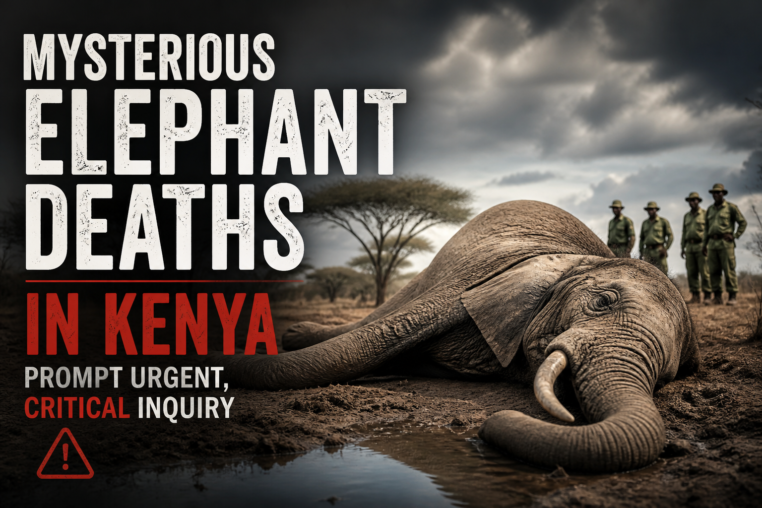
 Mysterious elephant deaths in Kenya have sparked an urgent, critical inquiry that has drawn the attention of conservationists, wildlife authorities, and the global community. In recent weeks, a troubling number of elephant carcasses have been discovered across key habitats, raising alarm over the potential causes and the broader implications for one of Africa’s most iconic species. The sudden and unexplained nature of these fatalities has prompted a swift response from the Kenya Wildlife Service (KWS), which has launched a comprehensive investigation to determine whether disease, poisoning, or environmental factors are to blame. As the inquiry unfolds, the stakes could not be higher, given the critical role elephants play in maintaining ecological balance and the significant economic value they hold through tourism.
The Scope of the Crisis
The initial reports of mysterious elephant deaths emerged from the Tsavo ecosystem, a vast region known for its dense elephant population. Over a short period, rangers and researchers documented the remains of more than a dozen elephants, with some carcasses showing no obvious signs of injury or predation. This pattern has since spread to other protected areas, including parts of the Amboseli and Maasai Mara landscapes. The deaths appear to affect both young and adult elephants, with no clear demographic bias, which has deepened the mystery. Local communities have also reported unusual behavior among surviving elephants, such as disorientation and lethargy, suggesting that the underlying cause may be widespread and insidious.
Urgent, Critical Inquiry Launched by Authorities
In response to the escalating crisis, the Kenya Wildlife Service has declared a state of high alert and mobilized a multi-agency task force. This urgent, critical inquiry involves collaboration with veterinary pathologists, toxicologists, and international wildlife health experts. Preliminary field autopsies have been conducted on several carcasses, with tissue and blood samples sent to specialized laboratories for analysis. The investigation is focusing on several potential culprits, including bacterial or viral infections, cyanide poisoning from illegal activities, or contamination of water sources by agricultural runoff. Authorities have also ruled out poaching as a primary cause, as the elephants’ tusks were found intact, a clear departure from typical ivory-related killings.
Potential Environmental and Anthropogenic Factors
One leading hypothesis in the urgent, critical inquiry is that the deaths may be linked to environmental stressors, such as drought or harmful algal blooms. Kenya has experienced erratic rainfall patterns in recent years, leading to prolonged dry spells that force elephants to congregate around shrinking water sources. These conditions can concentrate pathogens or toxins, increasing the risk of mass die-offs. Additionally, the use of pesticides and fertilizers in nearby farming areas could contaminate rivers and watering holes, posing a lethal threat to wildlife. Investigators are also examining whether the elephants may have ingested toxic plants, a phenomenon that has been documented in other parts of Africa but remains poorly understood.
The Broader Conservation Implications
The mysterious elephant deaths in Kenya underscore the fragility of wildlife populations in the face of rapid environmental change. Elephants are keystone species, meaning their presence or absence has a cascading effect on entire ecosystems. They help shape landscapes by dispersing seeds, creating water holes, and clearing vegetation, which benefits countless other species. A significant die-off could disrupt these ecological processes, leading to long-term habitat degradation. Moreover, Kenya’s tourism industry, which relies heavily on elephant sightings, could suffer severe economic losses. The urgent, critical inquiry is therefore not just about solving a biological puzzle but about safeguarding the future of conservation efforts in the region.
Community and Global Response
Local communities living near affected areas have been advised to avoid contact with carcasses and report any new sightings immediately. Conservation organizations, including the World Wildlife Fund and the African Wildlife Foundation, have pledged technical and financial support for the investigation. Meanwhile, the international scientific community is closely monitoring the situation, as the findings could offer insights into emerging wildlife diseases with zoonotic potential. Social media has also played a role in raising awareness, with wildlife enthusiasts and activists calling for transparency and swift action. The Kenyan government has assured the public that all necessary resources are being deployed to resolve the crisis.
Next Steps in the Investigation
As the urgent, critical inquiry continues, authorities are expanding surveillance efforts, including the use of drones and satellite tracking to monitor elephant movements and detect new deaths in real time. Researchers are also conducting water and soil tests across the affected regions to identify any chemical anomalies. If a specific pathogen or toxin is identified, containment measures could include quarantine zones, vaccination campaigns, or habitat restoration projects. The findings will also inform future wildlife management policies, emphasizing the need for proactive monitoring and rapid response systems.
In conclusion, the mysterious elephant deaths in Kenya represent a conservation emergency that demands immediate and sustained attention. The ongoing urgent, critical inquiry holds the key to understanding this tragedy and preventing similar events in the future. As scientists race against time, the world watches with hope that these majestic animals will be protected from whatever unseen threat now stalks their ancient landscapes.