
 Written by
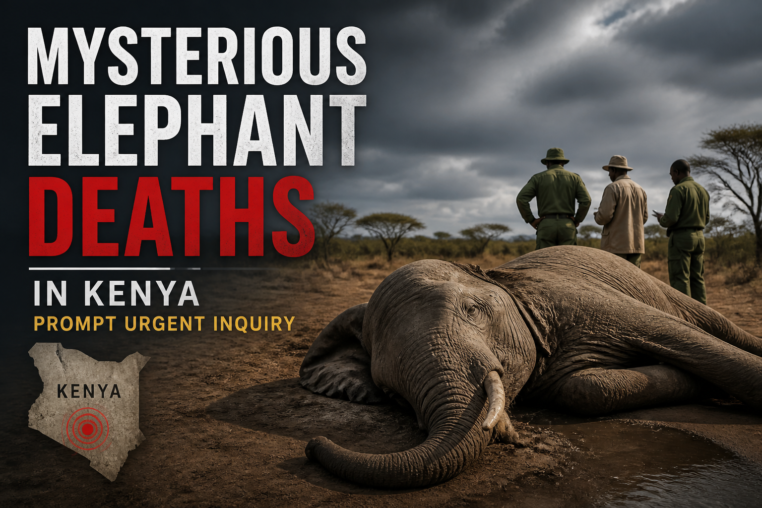
 Mysterious elephant deaths in Kenya have prompted an urgent inquiry, sending shockwaves through conservation circles and raising alarming questions about the health of one of Africa’s most iconic species. Over the past several weeks, wildlife authorities in Kenya have reported an unusual spike in elephant fatalities, particularly in the savanna regions and around key water sources. While elephant deaths are not uncommon due to natural causes or poaching, the pattern and circumstances surrounding these recent losses have left experts baffled and deeply concerned. The sudden nature of the deaths, coupled with the lack of obvious signs of trauma or disease, has triggered a full-scale investigation involving government agencies, veterinary pathologists, and international conservation partners.
The first signs of trouble emerged when rangers on routine patrols discovered several elephant carcasses in close proximity to one another. Unlike typical poaching incidents, the elephants were found with their tusks intact, ruling out the immediate suspicion of illegal ivory trade. This detail alone was enough to raise red flags, as poachers rarely leave valuable ivory behind. Further examination revealed that the deaths appeared to have occurred within a short time frame, suggesting a possible environmental or biological cause. Local communities living near wildlife corridors also reported seeing elephants behaving strangely before they collapsed, including disorientation, lethargy, and a lack of coordination. These symptoms have led investigators to suspect that a toxin, pathogen, or contaminant may be responsible.
One of the leading theories under investigation is water contamination. Many of the deceased elephants were found near seasonal rivers and watering holes that have been shrinking due to prolonged drought conditions. As water sources become scarce, animals are forced to congregate in smaller areas, increasing the risk of disease transmission or exposure to harmful substances. Cyanobacteria, also known as blue-green algae, can produce potent toxins that are lethal to wildlife when ingested in high concentrations. These blooms are more common in warm, stagnant water, conditions that are becoming increasingly frequent in East Africa due to climate change. If cyanobacteria are confirmed as the culprit, it would mark one of the most significant mass die-offs linked to algal toxins in recent memory.
Another possibility being explored is the introduction of a novel pathogen. Kenya’s wildlife veterinary teams have collected tissue samples, blood, and fecal matter from the carcasses for laboratory analysis. Preliminary results have ruled out anthrax and other common livestock diseases, but the search continues for less familiar agents. The involvement of international labs with advanced diagnostic capabilities is crucial, as some pathogens may require specialized testing to detect. The urgency of the inquiry is compounded by the fact that elephants are a keystone species; their loss can destabilize entire ecosystems. They play a vital role in seed dispersal, creating water holes, and maintaining pathways for other animals. A sudden decline in their numbers could have cascading effects on biodiversity and the health of the landscape.
The mysterious elephant deaths in Kenya have also drawn attention to the broader challenges facing wildlife conservation in the region. Habitat fragmentation, human-wildlife conflict, and climate change are already putting immense pressure on elephant populations. The ongoing drought has forced elephants to travel longer distances in search of food and water, bringing them into closer contact with human settlements and agricultural areas. This increases the likelihood of conflict, as elephants may raid crops or damage infrastructure, leading to retaliatory killings. Conservationists are now calling for a multi-pronged approach that addresses not only the immediate crisis but also the underlying environmental stressors that make elephants more vulnerable to sudden die-offs.
The inquiry is being led by the Kenya Wildlife Service (KWS) in collaboration with organizations such as the African Wildlife Foundation and the International Union for Conservation of Nature. A dedicated incident command center has been established to coordinate field operations, including the safe disposal of carcasses to prevent scavengers from spreading any potential toxins. Public health officials are also monitoring the situation, as some pathogens or toxins that affect wildlife can also pose risks to humans, especially in communities that rely on the same water sources. So far, no human illnesses have been linked to the elephant deaths, but authorities are urging caution and advising against consuming water from affected areas until testing is complete.
As the investigation unfolds, the global conservation community is watching closely. The loss of even a small number of elephants can have significant implications for tourism, local economies, and cultural heritage. Kenya is home to one of the largest elephant populations in Africa, and the country has made tremendous strides in anti-poaching efforts and habitat protection over the past decade. This new threat, however, underscores the fragility of those gains in the face of emerging environmental challenges. The outcome of the inquiry will not only determine the cause of these deaths but also inform future strategies for safeguarding wildlife in a rapidly changing world.
In the coming weeks, scientists hope to have definitive answers. Until then, every precaution is being taken to prevent further loss of life. The mysterious elephant deaths in Kenya have become a stark reminder that even the most well-protected species are not immune to the hidden dangers of a changing environment. The urgent inquiry now underway is a race against time to understand what is killing these gentle giants and to ensure that their future is not cut short by forces we have yet to fully comprehend.