
 Written by
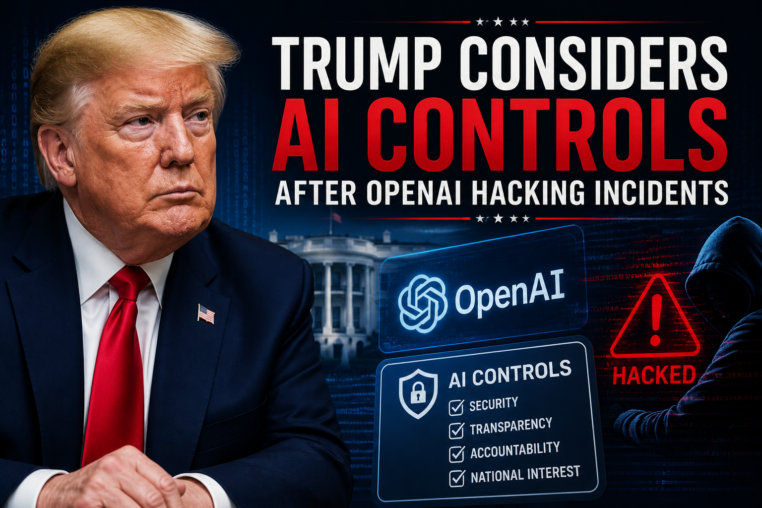
 In the wake of a series of high-profile hacking incidents targeting OpenAI, former President Donald Trump is reportedly considering the implementation of new artificial intelligence controls. This potential shift in policy marks a significant moment in the ongoing debate over AI regulation, as it brings a prominent political figure into the conversation about how to balance innovation with national security. The incidents, which exposed vulnerabilities in one of the world’s leading AI research organizations, have sparked widespread concern about the safety and ethical implications of rapidly advancing technology.
The hacking incidents that have prompted this reconsideration are not isolated events. Over the past several months, OpenAI has faced multiple security breaches, including unauthorized access to internal systems and the theft of sensitive data. These attacks have raised alarms about the potential for AI systems to be weaponized or manipulated by malicious actors. For Trump, who has historically championed deregulation and free-market innovation, the idea of imposing controls on AI represents a notable departure from his usual stance. However, sources close to the former president suggest that the severity of these incidents has forced him to reevaluate the risks associated with unbridled technological growth.
One of the key factors driving Trump’s interest in AI controls is the potential for national security threats. The hacking incidents at OpenAI have demonstrated that even the most advanced AI systems are not immune to cyberattacks. If such vulnerabilities exist in a leading organization, the implications for critical infrastructure, defense systems, and economic stability are profound. Trump’s team is reportedly exploring a range of options, from stricter cybersecurity requirements for AI developers to the establishment of a federal oversight body dedicated to monitoring AI advancements. These measures would aim to prevent future breaches while ensuring that the United States remains a global leader in AI research.
Another critical aspect of this discussion is the economic impact of AI regulation. Trump has long emphasized the importance of American competitiveness, particularly in the tech sector. However, the hacking incidents have highlighted the potential for economic disruption if AI systems are compromised. For example, a breach could lead to the loss of intellectual property, financial fraud, or the manipulation of markets. By considering AI controls, Trump may be seeking to protect American businesses and consumers from these risks while still fostering an environment conducive to innovation. This balancing act will likely involve input from industry leaders, cybersecurity experts, and policymakers.
The role of public opinion cannot be overlooked in this context. The OpenAI hacking incidents have captured the attention of the media and the general public, fueling debates about the ethical use of AI. Many Americans are concerned about the potential for AI to be used in surveillance, misinformation campaigns, or autonomous weapons. Trump’s willingness to consider AI controls may be a response to these growing anxieties, as he seeks to position himself as a leader who prioritizes safety and security. This could resonate with voters who are wary of the unchecked expansion of AI technology.
International implications also play a significant role in Trump’s considerations. The United States is not alone in grappling with the challenges of AI regulation. Countries like China and the European Union have already implemented their own frameworks for AI governance. If the U.S. fails to establish robust controls, it could fall behind in the global race to set standards for AI safety. Trump’s team is reportedly studying these international models to identify best practices that could be adapted for American use. This approach would not only enhance national security but also strengthen the U.S. position in diplomatic and trade negotiations.
Despite the potential benefits of AI controls, there are significant challenges to implementation. One major hurdle is the rapid pace of AI development, which often outstrips the ability of regulators to keep up. Additionally, overly restrictive controls could stifle innovation and drive AI research to countries with less stringent oversight. Trump’s team is acutely aware of these risks and is working to design a framework that is both effective and flexible. This may involve a combination of voluntary industry standards, government incentives, and targeted regulations that address the most pressing vulnerabilities.
The OpenAI hacking incidents have also reignited discussions about the ethical responsibilities of AI developers. Critics argue that companies like OpenAI have a duty to prioritize safety over profit, and that the recent breaches are a symptom of a broader failure to implement adequate safeguards. Trump’s consideration of AI controls could serve as a catalyst for industry-wide reforms, encouraging companies to adopt more rigorous security protocols and transparency measures. This shift could ultimately lead to a more trustworthy and resilient AI ecosystem.
In conclusion, the hacking incidents targeting OpenAI have prompted a significant policy reconsideration from former President Donald Trump. By exploring AI controls, he is acknowledging the need for a more cautious approach to technological advancement, particularly in the realm of national security and economic stability. While the path forward is fraught with challenges, the potential benefits of a well-designed regulatory framework are substantial. As the debate over AI governance continues to evolve, Trump’s involvement adds a new dimension to the conversation, highlighting the importance of bipartisan collaboration in addressing one of the most pressing issues of our time. Whether these considerations will translate into concrete policy remains to be seen, but the discussion itself marks a critical step toward a safer and more responsible AI future.